
The Crown and George III
Common SenseThis flow traces Paine’s portrayal of George III from distant constitutional power to the personal symbol of imperial hostility.
increasing Bearing strength in each event
 decreasing
Bearing strength in each eventdecreasingA Crown Beyond Trust

A Crown Beyond Trust
Power Under Suspicion
Paine argues that the Crown retains influence through appointments and political patronage. Formal checks do not necessarily prevent the monarch from shaping government.
Distance from the People
A ruler insulated from ordinary experience may still wield decisive authority over those he does not know. Paine treats that separation as a structural danger.
A King’s Speech
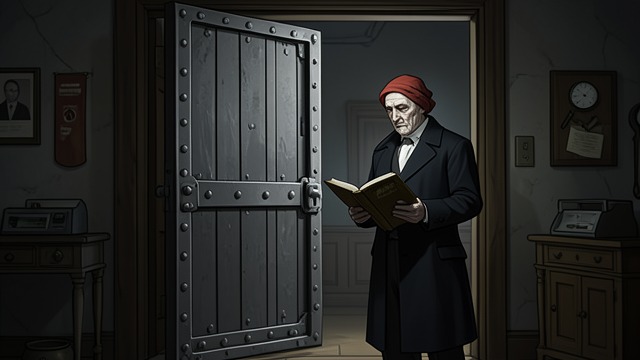
A King’s Speech
A New Public Signal
Paine describes the arrival of George III's King's Speech in Philadelphia as a timely revelation of royal intentions. Rather than reassuring the colonies, it sharpens the argument for independence.
Political Meaning
The speech becomes evidence for readers already questioning the Crown’s conduct. Public language gives the conflict a clear and personal focus.
Royal Language Condemned

Royal Language Condemned
A Libel Against the Public
Paine denounces the speech as a display of cruelty and falsehood. He argues that royal authority has turned against the common good it claims to serve.
Moral Judgment
The criticism makes the Crown answerable to human and moral standards. Royal office, in Paine’s account, cannot excuse destructive policy.
The Fatherhood Claim Rejected

The Fatherhood Claim Rejected
Name Against Conduct
Paine rejects the image of the king as father of his people when the Crown tolerates their suffering. The title becomes hollow beside the evidence of war.
Allegiance Withdrawn
For Paine, the violence following 1775 breaks the remaining emotional bond. Political loyalty cannot survive when authority appears as a source of danger.
The King’s Role Reversed
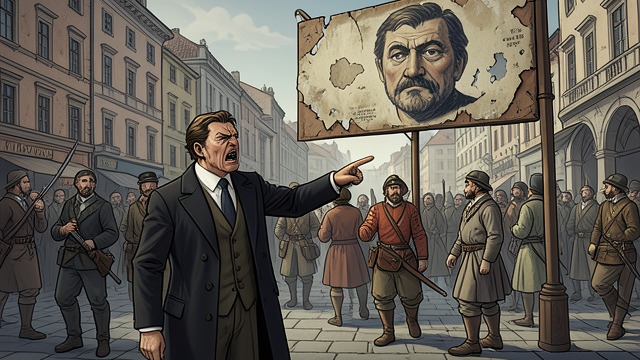
The King’s Role Reversed
A Symbol of Arbitrary Rule
George III becomes, in Paine’s argument, the most visible representative of a system that denies colonial self-rule. The personal critique reinforces the institutional case.
Independence as Protection
The proposed alternative is not another human sovereign but government by law and public authorization. Paine’s attack on the king culminates in a call for a different political order.
During the critique of the English constitution
When the King’s Speech reaches Philadelphia
Immediately after Paine’s response to the speech
As Paine recalls the fighting and its victims
Near the pamphlet’s final appeal
